Overview
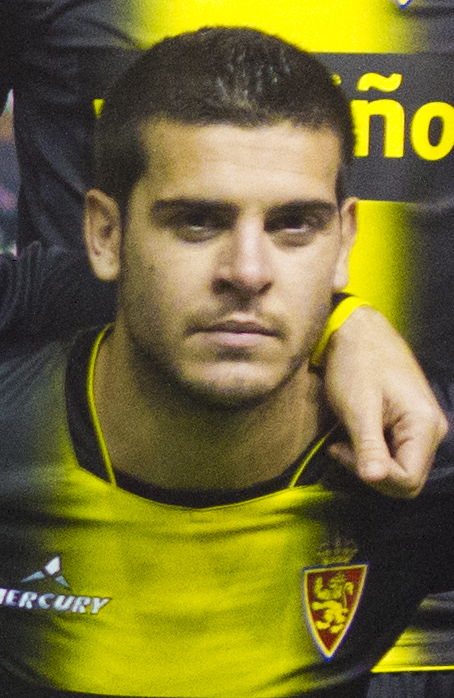
Víctor Rodríguez, born on March 5, 2003, is a Spanish professional footballer recognized for his role as a defender. Hailing from Spain, Rodríguez represents a new generation of defensive talent, combining traditional Spanish footballing principles with modern athletic demands. While specific details regarding his current club are not publicly available through the provided data, his presence in professional football at a young age underscores his potential and development trajectory. Rodríguez's identity on the pitch is characterized by his robust defensive work and an ability to read the game effectively, making him a valuable asset in various defensive setups.
Position
Víctor Rodríguez is primarily deployed as a defender. This categorization suggests versatility across the backline, though often implies a central defensive role or a full-back position where defensive duties are prioritized. Defenders are crucial for breaking up opposition attacks, maintaining structural integrity, and often initiating build-up play from the back. Rodríguez's development within the Spanish football system likely means he possesses a strong understanding of positional play and ball retention, key attributes for defenders in contemporary football.
Identity
Rodríguez's headline identity can be described as a 'composed ball-playing defender.' This label reflects a player who not only excels at the fundamental aspects of defending—tackling, marking, and aerial duels—but also demonstrates comfort and proficiency in possession. In modern football, defenders are increasingly expected to contribute to the team's build-up play, circulating the ball and finding progressive passes. Rodríguez's Spanish footballing education would have instilled these qualities from a young age, preparing him for the demands of top-tier football where defensive solidity is paired with technical ability.
Career path
Víctor Rodríguez's footballing journey began within the youth academy system in Spain, a country renowned for its structured development pathways for young players. While specific academy affiliations are not detailed in the provided data, the Spanish system typically focuses on technical proficiency, tactical understanding, and a strong emphasis on possession-based football from an early age. This foundational training would have sculpted Rodríguez into the defender he is today, instilling the core principles of the game.
Youth Development
The early years of Rodríguez's career were spent honing his skills in a youth setup, likely progressing through various age-group teams. Spanish academies are known for producing technically gifted players, and defenders from this system often exhibit excellent ball control, passing range, and positional awareness. This period is crucial for a player's physical, technical, and tactical maturation, preparing them for the rigors of professional football. The consistent exposure to high-level coaching and competitive youth football would have been instrumental in his development.
Senior Debut and Progression
Details regarding Víctor Rodríguez's senior debut and subsequent club moves are not available in the provided data. However, for a player born in 2003, a senior debut would typically occur between the ages of 17 and 20, either with the club he developed at or through a move to another professional team. Progression often involves playing for reserve teams or lower-division senior sides before establishing a place in a top-flight squad. Transfers, if any, would be documented by sources such as Transfermarkt, which tracks player movements and associated years. The transition from youth to senior football is a significant step, requiring adaptation to a faster pace of play, increased physical demands, and higher stakes. Players often gain experience through loan spells or by earning a spot in the first team through consistent performance. Without specific club information, a detailed timeline of his professional career remains to be fully documented, but his status as a professional footballer indicates successful navigation of these early career stages.
Playing style
Víctor Rodríguez, as a Spanish defender, likely embodies a playing style characterized by a blend of technical prowess and defensive solidity. Given his nationality and position, his attributes would typically align with the modern demands of football, where defenders are expected to be competent both in breaking up play and initiating attacks.
Technical Attributes
In a defensive role, Rodríguez would be expected to demonstrate strong tackling ability, effective aerial duels, and astute positional sense. His Spanish background suggests a comfort on the ball, implying good passing accuracy and vision from the back. These qualities are crucial for maintaining possession and building attacks from deep within his own half. Data providers like FBref or Sofascore often track metrics such as successful tackles, aerial win rates, and pass completion percentages, which would highlight these aspects of his game. For a central defender, recovery pace and the ability to anticipate opposition movements are also vital. If deployed as a full-back, his technical attributes would extend to crossing ability and overlapping runs.
Defensive Acumen
Rodríguez's primary role as a defender means his defensive acumen is paramount. This includes his ability to read the game, intercept passes, and make crucial blocks. His tactical intelligence would allow him to maintain defensive shape, track runners, and contribute to pressing schemes. Comparatively, players like Aymeric Laporte or Pau Torres, also Spanish defenders, showcase similar traits of being comfortable in possession while maintaining strong defensive foundations. They are known for their calm demeanor under pressure and their ability to distribute the ball effectively, attributes which Rodríguez would likely be developing or already possess. His defensive work rate, including tracking back and supporting teammates, would also be a key characteristic of his playing style, contributing to the overall defensive solidity of his team.
Achievements & honours
As a young professional footballer, Víctor Rodríguez's career is still in its early stages, and specific details regarding his achievements and honours are not extensively documented in the provided data. For many emerging talents, the initial years are focused on establishing themselves within senior football, gaining consistent playing time, and contributing to team success at club or youth international levels.
Individual awards or records typically come after a player has made a significant impact over several seasons or has achieved notable milestones, such as being a top scorer from a defensive position or setting appearance records. For a defender, achievements might include being part of a team with a strong defensive record, contributing to clean sheets, or scoring important goals from set-pieces.
Trophies and team honours are often the culmination of sustained collective effort. While specific club or international honours for Víctor Rodríguez are not available, a table format would typically be used to list any such achievements as they become known:
| Competition | Club / National Team | Year |
|---|---|---|
| No major honours recorded yet | N/A | N/A |
As Rodríguez continues his career, opportunities to win domestic leagues, cups, or international competitions will arise. His development within the Spanish footballing structure suggests he is part of a system that often competes for honours at various youth and senior levels. Future achievements will be a testament to his continued hard work, talent, and the success of the teams he represents.
International career
Víctor Rodríguez, being a Spanish national, would be eligible to represent Spain at various international levels. Spain has a highly competitive national team setup, known for its success across youth and senior categories, having won the FIFA World Cup in 2010 and multiple UEFA European Championships (UEFA.com).
While specific details regarding Rodríguez's international caps or appearances in major tournaments are not provided in the source data, it is common for promising young Spanish players to progress through the national youth ranks (U17, U19, U21). These youth tournaments, such as the UEFA European Under-17 Championship or the FIFA U-20 World Cup, serve as crucial platforms for players to gain international experience and showcase their talent on a global stage. Participation in these events is often a strong indicator of a player's potential to eventually represent the senior national team.
The competition for places in the senior Spain squad is exceptionally fierce, given the depth of talent available. Defenders who aspire to play for the senior national team must consistently perform at a high level for their clubs, demonstrating both defensive solidity and the technical ability required to fit into Spain's possession-based style of play. The FIFA website or the official website of the Spanish Football Federation (RFEF) would be the primary sources for detailed international cap information and tournament participation once available.
For a player of Rodríguez's age, the immediate focus would likely be on securing a regular starting spot at club level and making an impression with the U21 national team, which often acts as the final stepping stone to the senior squad. His role for his country, should he progress, would be expected to align with his club position, contributing to Spain's defensive stability and ball circulation from the back.
What makes Víctor Rodríguez stand out
Víctor Rodríguez's standout qualities as a defender are rooted in his foundational Spanish football education, which typically emphasizes technical proficiency alongside defensive robustness. One key trait that likely distinguishes him is his composure in possession. Unlike some defenders who might panic under pressure, Rodríguez would be expected to calmly distribute the ball, initiating attacks with precise short or long passes. This ability to be a 'ball-playing defender' is highly valued in modern football, allowing teams to build from the back and control the tempo of the game.
Another significant aspect of his game would be his tactical intelligence. Spanish defenders are often lauded for their understanding of positional play and their ability to read the game, anticipating opposition movements to make crucial interceptions or blocks. This is not just about physical attributes but about mental sharpness and an innate understanding of defensive schemes. He likely positions himself effectively, preventing dangerous situations before they fully develop, rather than relying solely on last-ditch tackles.
His potential to stand out also comes from a combination of these attributes with a strong work ethic, a hallmark of players who rise through competitive academies. This ensures he is not only technically gifted but also committed to his defensive duties, tracking runners and contributing to the team's overall defensive structure. As he matures, these qualities will be further refined, making him a more complete and influential defender.
"A modern Spanish defender combines tactical intelligence with a natural comfort on the ball, making them integral to both defense and build-up play."